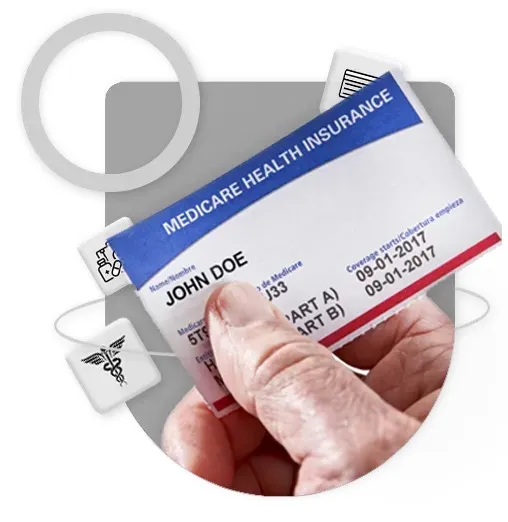
Medicare Open Enrollment Opens Oct. 15: What to Actually Compare Before You Switch (or Stay)
Medicare Open Enrollment Opens October 15 — Now What?
Your Annual Notice of Change letter should already be sitting in a stack of mail somewhere (insurers are required to send it by September 30). Open Enrollment — officially the Annual Election Period — opens October 15 and runs through December 7, with any changes you make taking effect January 1. Most of what's written about this window focuses on the dates. Fewer people talk about what you should actually be comparing once it opens. That's the more useful question, because the dates don't change your coverage — the comparison does.
Why "If It's Working, Leave It Alone" Isn't Always the Safest Move
It's tempting to let your plan auto-renew and move on with your life. Sometimes that's genuinely fine. But plans change every single year — provider networks shift, drug formularies get rewritten, and premiums and cost-sharing are reset. A plan that fit you perfectly last January can look very different by the time this January rolls around. Open Enrollment is less about finding something better and more about confirming that what you have still fits — and catching it if it doesn't.
What to Actually Compare This Year
- Your doctors and hospitals. Check your ANOC letter for any note about network changes, and confirm directly with your providers' offices that they're still in-network for next year — insurer directories aren't always current.
- Your prescription drug coverage (the formulary). This is the one people skip most often, and it's often where the real cost surprises hide. Pull your current medication list and check it against your plan's 2027 drug tiers. Look specifically for new prior authorization requirements or a drug moving to a more expensive tier — and run the numbers using Medicare's Plan Finder tool at Medicare.gov, which can compare your total expected drug costs across plans.
- Total costs, not just the premium. A lower monthly premium can hide higher copays, coinsurance, or a higher deductible. Look at the whole picture, and factor in any IRMAA surcharge you may owe based on your income — those figures are typically finalized and mailed in the November–December window.
- How the plan has performed. Medicare publishes annual quality ratings for Medicare Advantage and Part D plans. If your plan's rating dropped meaningfully from last year, it's worth asking why before you re-enroll by default.
A Simple Way to Work Through It
- Read the ANOC first. It's written in plan-specific language, but it exists to flag exactly what's changing for you next year — start there, not with a comparison tool.
- List your must-haves. Specific doctors, specific medications, and your rough annual budget for healthcare costs.
- Compare two or three alternatives, not twenty. Open Enrollment overwhelm is real. A short, deliberate shortlist beats an exhaustive one you never finish.
- Decide before the deadline creeps up. December 7 arrives faster than it feels like it will in mid-October.
Takeaway
Open Enrollment isn't really about switching plans — it's about making sure the plan you have (or the one you're switching to) still matches your actual doctors, medications, and budget for the year ahead. Medicare decisions and retirement income decisions sit closer together than most people assume: a predictable paycheck in retirement makes it easier to absorb a premium increase or a coverage change without it throwing off your whole budget. If your income side of the plan isn't as settled as your Medicare side is about to be, this is a good month to look at both.
Sources: Medicare.gov, "Open Enrollment"; Kiplinger, "Your 2027 Medicare Open Enrollment Guide: Essential Dates and Notices." This article is educational only and not personalized insurance, financial, or legal advice.
