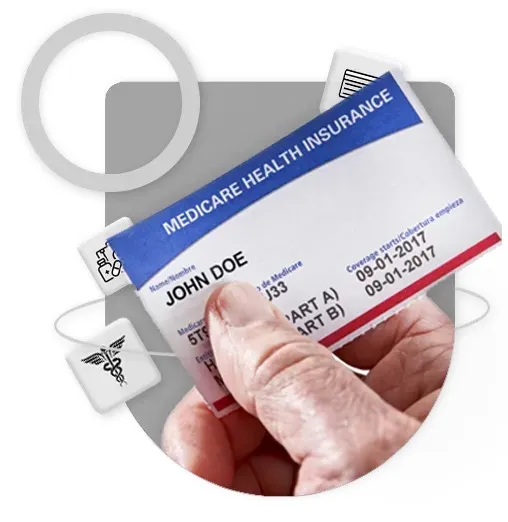
Medicare Special Enrollment Period: Qualifying Events
Life Doesn't Wait for October
Most people know Medicare has an Annual Enrollment Period every fall. Fewer people know that life doesn't always cooperate with that calendar. You might lose employer coverage in March, move across the state in June, or come home from several months abroad in August. Medicare has a separate set of rules for exactly these situations, called Special Enrollment Periods, or SEPs, and they let you change your coverage outside the usual fall window — but only if you act within specific, fairly short deadlines.
Missing one of these windows can mean waiting months for your next opportunity to enroll, and potentially a gap in coverage in the meantime. Here's a plain-language look at how they work.
Losing Employer or Union Coverage
If you're still working past 65 and covered by an employer or union health plan — including COBRA coverage — leaving that coverage triggers an SEP. According to Medicare.gov, you generally have a two full-month window after that coverage ends to enroll in a Medicare Advantage Plan or a standalone Medicare drug plan. This is one of the most common SEPs we see, particularly for people who worked a few extra years past 65 and are only now making the full transition onto Medicare.
A word of caution here: this SEP applies to active employer coverage, not COBRA continuation coverage taken after employment ends. If you're relying on COBRA as a bridge, it's worth confirming exactly how your specific timeline lines up with Medicare's rules before you assume you're covered.
Moving Outside Your Plan's Service Area
Medicare Advantage and Medicare drug plans are tied to specific service areas. If you relocate — whether that's across town or across the country — and your move takes you outside your current plan's coverage area, that's a qualifying event. Per Medicare.gov, you typically have two full months after the move to choose a new plan, and if you notify your plan before you move, your window can actually open a month earlier, giving you a head start on lining up new coverage before you arrive.
Other Life Events That Qualify
A handful of other situations open their own SEP windows, each with its own timeline. A few of the more common ones, according to Medicare.gov:
- Losing Medicaid eligibility — generally a three-month window from the date of loss or notification.
- Involuntarily losing other creditable drug coverage — generally two full months after that coverage ends.
- Moving back to the U.S. after living abroad — generally two full months after your return.
- Moving out of a skilled nursing facility or other institution — generally two full months after the month you move out.
If your situation doesn't fit neatly into one of these categories, Medicare does allow for exceptional circumstances to be evaluated case by case — which is worth pursuing rather than assuming you're out of options.
A Simple Way to Protect Yourself
The common thread across every SEP is that the clock starts the moment the qualifying event happens, not when you get around to dealing with it. A few habits go a long way:
- Mark the date of any coverage loss, move, or major life change the day it happens.
- Call 1-800-MEDICARE or your agent as soon as you know a change is coming, not after it's already happened.
- Keep documentation — a termination letter, a lease, a moving confirmation — in case you need to prove the qualifying event.
The Takeaway
Special Enrollment Periods exist so that a life change doesn't have to mean a coverage gap — but they only work if you know they exist and act within the window. If you have a move, a retirement date, or an employer coverage change coming up and you're not sure how it affects your Medicare timeline, reach out before it happens. A ten-minute conversation now can save you months of waiting later.
Source: Medicare.gov, "Special Enrollment Periods."

